 H FACTOR
CBD SEO: How Hemp and CBD Brands Win Search in 2026
CBD SEO is the one growth channel hemp brands fully control. Here's how CBD companies rank on Google — content, compliance, and the keywords that convert.
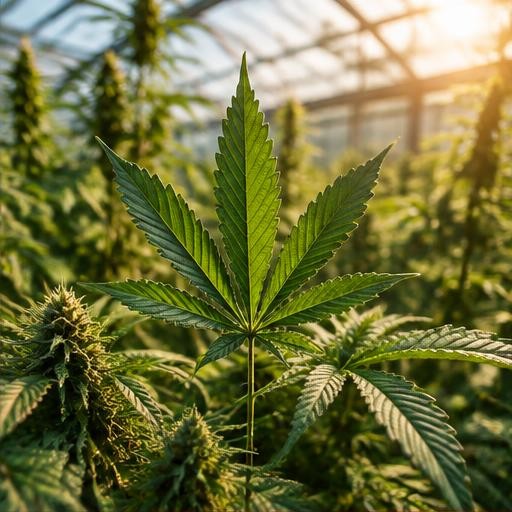
CBD brands live in a strange spot: federally legal under the 2018 Farm Bill, yet locked out of most paid advertising and throttled on social media. That makes search engine optimization the one scalable growth channel a CBD company fully controls. This guide covers how CBD SEO differs from general cannabis SEO, the compliance line your content has to walk, and the keyword strategy that actually converts.
Why CBD Brands Need SEO Even More Than Dispensaries
Dispensaries at least have foot traffic and local "near me" demand. An online CBD brand has neither — its entire business is a website. Consider the constraints:
- Paid ads are mostly closed. Google and Meta restrict CBD advertising, and the programs that do exist are limited to topicals in select markets with certification requirements. Most CBD brands simply can't buy traffic at scale.
- Social reach is unreliable. Hemp content gets flagged, limited, or removed on mainstream platforms, even when it's perfectly legal.
- Payment and marketplace instability means channels can disappear overnight. Organic rankings are the one asset no platform can switch off.
The flip side: because so many CBD brands give up on search, the ones that commit to it face less disciplined competition than the market size suggests.
The Compliance Line: Content That Ranks Without Getting You in Trouble
CBD content has one rule that overrides everything else: no medical claims. The FDA has taken action against brands claiming CBD treats, cures, or prevents disease — and Google's quality raters apply extra scrutiny to health-related content. The good news is that compliance and rankings point the same direction:
- Write "what research says," not "what it cures." "What studies suggest about CBD and sleep" ranks fine. "CBD cures insomnia" invites regulatory trouble and search penalties alike.
- Cite real sources. Linking to peer-reviewed research and official guidance builds the trust signals Google's health-content standards reward.
- Be specific about your products. Third-party lab results, certificates of analysis, and clear ingredient lists are trust signals for customers and search engines at once.
The brands that treat compliance as a content strategy — rather than a constraint — end up with exactly the kind of authoritative content Google wants to rank.
The CBD Keyword Map
CBD search demand splits into four clusters, each needing its own page type:
1. Problem-based searches (highest volume)
People search the problem before the product: "CBD for sleep," "CBD for anxiety," "CBD for pain," "CBD for focus." These are informational-commercial hybrids — the searcher wants education and a recommendation. Build one guide per problem, written in plain language, with honest sourcing and a clear path to your relevant product.
2. Product-comparison searches
"Best CBD gummies," "best CBD oil for sleep," "CBD isolate vs full spectrum," "CBD tincture vs gummies." These searchers are close to buying. Comparison content converts at the highest rate of anything you'll publish — and smaller brands can win it because the big affiliate publishers can't match genuine product knowledge.
3. Legality and safety searches
"Is CBD legal in [state]," "does CBD show up on a drug test," "can you fly with CBD," "is CBD safe." Pure informational — but these build the topical authority that lifts your whole site, and they're the queries AI assistants answer most often. Direct answers and FAQ structure win citations.
4. Brand and trust searches
"Is [brand] legit," "[brand] reviews," "[brand] lab results." You can't stop third parties from ranking for your brand terms, but you can make sure your own pages — reviews, lab results, about page — hold the top spots.
For the broader term inventory, see our cannabis keywords list — the CBD section alone has two dozen terms worth mapping.
Technical Must-Haves for CBD Sites
CBD e-commerce sites have a few recurring technical problems that quietly cap their rankings:
- Thin product pages. A photo, a price, and two sentences won't rank. Unique descriptions, ingredients, usage guidance, and FAQs per product are the baseline.
- Duplicate manufacturer descriptions. If you white-label or resell, the same description exists on dozens of sites. Rewrite everything.
- Slow mobile performance. Most CBD traffic is mobile. A store that loads slowly on a phone loses rankings and sales at the same time.
- Missing schema. Product schema (with price and availability) and FAQ schema are direct wins — richer search listings, better AI citation odds.
What Results Look Like
CBD SEO compounds the same way all SEO does: informational content builds authority, authority lifts product pages, and product pages convert the traffic. Our operating target for clients is meaningful ranking movement within 90 days — a target, not a guarantee, because nobody ethical promises Google's behavior. What you control from day one is publishing velocity and distribution: getting content seen across owned channels while it climbs in search.
For what a program like this costs, see our cannabis SEO pricing breakdown. The CBD economics are similar, with content doing more of the heavy lifting than local work.
Frequently Asked Questions
Is CBD SEO different from cannabis SEO?
The fundamentals are the same, but the emphasis shifts. Dispensary SEO is dominated by local search — Google Business Profile, "near me" queries, reviews. CBD SEO is mostly e-commerce SEO: product pages, problem-based content, and comparison terms. CBD also carries stricter content-compliance requirements because of FDA rules on health claims.
Can CBD brands run any paid ads at all?
Limited options exist — Google allows topical CBD ads in some markets with LegitScript certification, and some niche ad networks accept hemp brands. But for most CBD companies, paid channels are too restricted to build a business on. Organic search and email are the durable channels.
How long does CBD SEO take to work?
Informational content on a newer site can rank in weeks for specific, lower-competition queries. Competitive product terms ("best CBD gummies") take months of accumulated authority. Plan on a 90-day horizon for meaningful movement and a 6–12 month horizon for the terms that drive serious revenue.
Do I need a blog if I already have product pages?
Yes — product pages alone can only rank for product terms. The problem-based and comparison searches ("CBD for sleep," "CBD isolate vs full spectrum") are where new customers discover you, and only editorial content can win those. The blog is how a store earns its audience.
Will AI search replace Google for CBD shopping?
It's supplementing it, not replacing it — and the same content wins both. AI assistants answer CBD questions by citing clearly structured, well-sourced pages. If your content is built to rank on Google with direct answers and FAQ sections, it's already built for AI citation.